
Search engine optimization (seo)
“Keyword research tools don’t usually give accurate search volume estimates, so don’t be afraid to target ‘zero volume keywords.’ ”If they’re highly relevant to your target audience https://getlinks4you.com/casino-outreach-link-packages/. You should always prioritize content that serves your audience first,“ says North.
Goodey adds, “If you instead wrote an article titled ‘Why a Best CRM Software Doesn’t Exist,’ you’re unlikely to rank well because while it’s an interesting angle, it doesn’t give the reader what they want.”
„The problem with this is that poorly targeted prospecting will result in low or no responses because the link or guest post topics you‘re pitching to the blogger or journalist doesn’t make sense for their audience,” Rubright says.
Ever heard of Maslow’s hierarchy of needs? It’s a theory of psychology that prioritizes the most fundamental human needs (like air, water, and physical safety) over more advanced needs (like esteem and social belonging). The theory is that you can’t achieve the needs at the top without ensuring the more fundamental needs are met first. Love doesn’t matter if you don’t have food.

Search engine optimization (seo)
Search engine crawlers may look at a number of different factors when crawling a site. Not every page is indexed by search engines. The distance of pages from the root directory of a site may also be a factor in whether or not pages get crawled.
An SEO technique is considered a white hat if it conforms to the search engines’ guidelines and involves no deception. As the search engine guidelines are not written as a series of rules or commandments, this is an important distinction to note. White hat SEO is not just about following guidelines but is about ensuring that the content a search engine indexes and subsequently ranks is the same content a user will see. White hat advice is generally summed up as creating content for users, not for search engines, and then making that content easily accessible to the online „spider“ algorithms, rather than attempting to trick the algorithm from its intended purpose. White hat SEO is in many ways similar to web development that promotes accessibility, although the two are not identical.
SEO (search engine optimization) is the practice of optimizing the performance of a website by changing its structure and content to increase its visibility and web traffic. It helps in improving the quality of your website and increases the viewer-to-customer conversion rate. It is a crucial aspect of digital marketing that focuses on enhancing the visibility and ranking of a website in search engine results pages (SERPs). The primary goal of SEO is to drive organic (non-paid) traffic to a website by improving its relevance and authority in the eyes of search engines. This SEO Tutorial covers a2z SEO concepts.
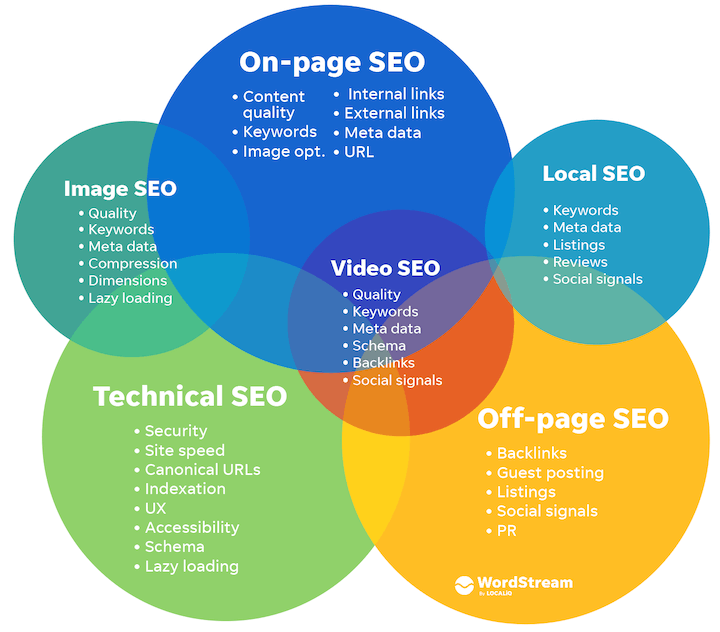
Search engine crawlers may look at a number of different factors when crawling a site. Not every page is indexed by search engines. The distance of pages from the root directory of a site may also be a factor in whether or not pages get crawled.
An SEO technique is considered a white hat if it conforms to the search engines’ guidelines and involves no deception. As the search engine guidelines are not written as a series of rules or commandments, this is an important distinction to note. White hat SEO is not just about following guidelines but is about ensuring that the content a search engine indexes and subsequently ranks is the same content a user will see. White hat advice is generally summed up as creating content for users, not for search engines, and then making that content easily accessible to the online „spider“ algorithms, rather than attempting to trick the algorithm from its intended purpose. White hat SEO is in many ways similar to web development that promotes accessibility, although the two are not identical.
Seo optimization meaning
One of the most effective and lasting ways is word of mouth: that is, people familiar with your site tell their friends about it, who in turn visit your site. This can take time, and usually you need to invest some time and effort in other practices first, such as community engagement. Our friends over at Google for Creators have excellent resources about building and engaging your audience.
Since SEO can benefit every funnel stage, from awareness to purchase, businesses need to create a smart SEO optimization strategy. A smart strategy, for example, focuses on bringing qualified traffic to drive sales to make SEO worth the investment.
Having your headings in semantic order is fantastic for screen readers, but from Google Search perspective, it doesn’t matter if you’re using them out of order. The web in general is not valid HTML, so Google Search can rarely depend on semantic meanings hidden in the HTML specification.
The higher your pages appear in search results, the greater the chance they are discovered and clicked on. The objective of Search Engine Optimization (SEO) is to attract website visitors who can turn into customers, clients, or a loyal audience that consistently returns.